

Beyond Cryptocurrency: How Blockchain Is Transforming the Future of Business
Blockchain is often associated with cryptocurrency. But its potential goes far beyond digital currencies. From financial services and supply chain management to digital identity and secure data sharing, blockchain technology is opening new possibilities for how businesses operate, collaborate, and build trust.
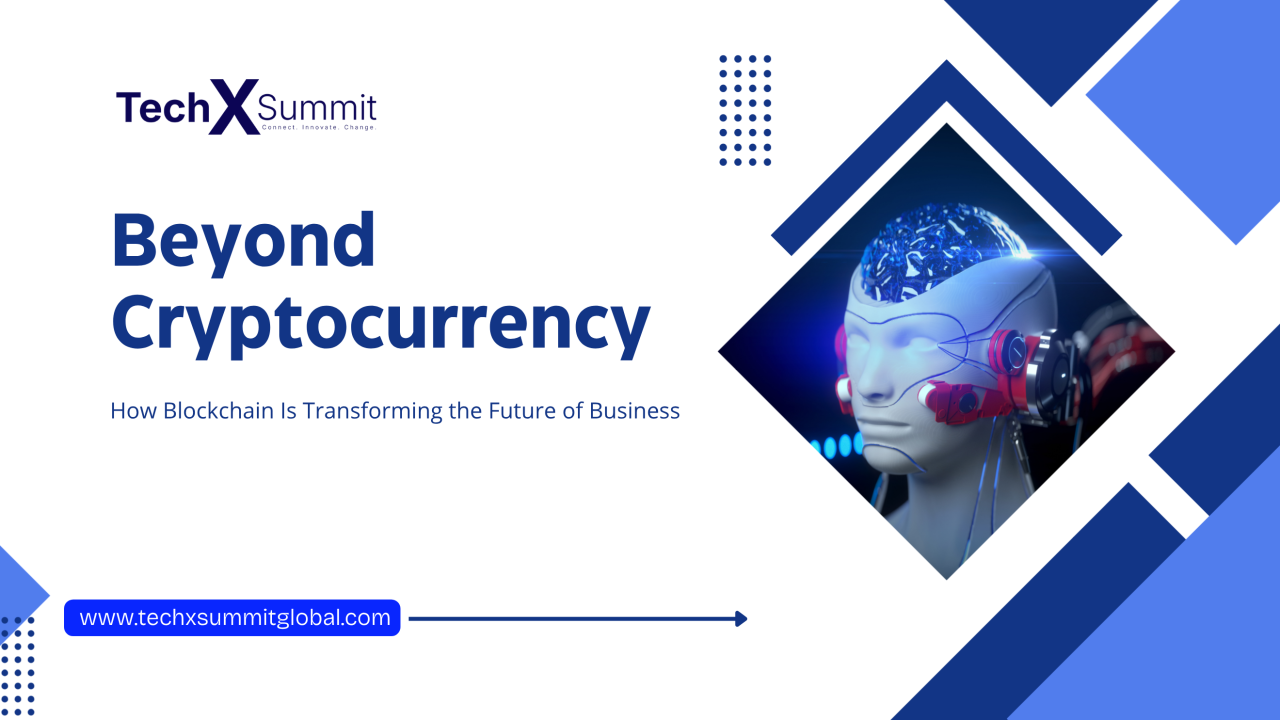
Blockchain is often associated with cryptocurrency. But its potential goes far beyond digital currencies. From financial services and supply chain management to digital identity and secure data sharing, blockchain technology is opening new possibilities for how businesses operate, collaborate, and build trust. The real question is no longer just what blockchain can do, but how businesses can use it to create meaningful value.
Building Trust Through Transparency
In traditional business systems, information is often stored across separate databases controlled by different organizations. This can create delays, inconsistencies, and challenges in verifying information.
Blockchain offers a shared, tamper-resistant record of transactions that authorized participants can verify. This can help organizations improve transparency, strengthen accountability, and reduce disputes in processes where multiple parties need to trust the same information.
Transforming Financial Services
Blockchain is creating new opportunities in payments, digital assets, tokenization, and cross-border transactions. Businesses are exploring how blockchain-based systems can simplify settlement processes, improve transaction traceability, and enable new financial products.
However, real-world adoption still depends on regulatory compliance, security, scalability, and integration with existing financial infrastructure.
Smarter Supply Chains
Supply chains involve manufacturers, suppliers, logistics providers, distributors, and retailers. Blockchain can help these stakeholders maintain a shared record of a product's journey, making it easier to track information about origin, movement, and handling.
When combined with technologies such as IoT, this approach can support better traceability and help organizations identify discrepancies more effectively.
The Rise of Smart Contracts
Smart contracts are programs deployed on a blockchain that execute predefined actions when specified conditions are met. They can support applications such as automated settlements, digital agreements, and supply chain workflows.
By reducing certain manual steps, smart contracts may improve efficiency. However, their reliability depends on accurate inputs, secure code, and clearly defined contractual conditions.
Challenges Businesses Cannot Ignore
Despite its potential, blockchain is not the right solution for every problem. Organizations must carefully evaluate data privacy, implementation costs, interoperability, governance, regulatory requirements, and cybersecurity risks.
Successful adoption begins with identifying a genuine business challenge — not simply implementing blockchain because the technology is trending.
"Blockchain is not just a technology conversation. It is a conversation about transparency, collaboration, accountability, and the infrastructure of the digital economy."
— Tech X Summit Editorial, 2026
What Does the Future Hold?
The next phase of blockchain adoption may be shaped by its integration with Artificial Intelligence, the Internet of Things, digital identity systems, and enterprise platforms. These combinations could create new ways to verify information, coordinate transactions, and manage digital assets.
For business leaders, the opportunity lies in understanding where blockchain delivers measurable value and where simpler solutions may be more effective.
Key Takeaways: Blockchain Beyond Cryptocurrency
- Trust through transparency — blockchain's shared, tamper-resistant record helps organizations verify information, improve accountability, and reduce disputes when multiple parties need to trust the same data.
- Financial services transformation — blockchain enables new opportunities in payments, digital assets, tokenization, and cross-border transactions, but adoption depends on regulatory compliance, security, and integration.
- Smarter supply chains — blockchain connects manufacturers, suppliers, logistics, distributors, and retailers through a shared record of a product's journey, improving traceability (especially when combined with IoT).
- Smart contracts automate — programs on the blockchain execute predefined actions when conditions are met, supporting automated settlements, digital agreements, and supply chain workflows.
- Blockchain ≠ universal solution — adoption requires evaluating data privacy, costs, interoperability, governance, regulatory compliance, and cybersecurity. Start with a genuine business challenge, not the technology trend.
Conclusion
Blockchain is not just a technology conversation. It is a conversation about transparency, collaboration, accountability, and the infrastructure of the digital economy. At Tech X Summit Singapore 2026, technology leaders, founders, innovators, and decision-makers will come together to explore emerging technologies and the ideas shaping tomorrow's businesses. Marina Bay Sands Expo & Convention Centre, Singapore | 10 December 2026. Explore more: https://techxsummitglobal.com/
